

WHAT A TERROR!
- Jessica Scipio

- Sep 21, 2025
- 3 min read
September 21, 2025
8:54 AM
By Jessica Scipio
Understanding ANTIFA: Background and Ideology
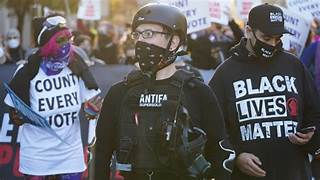
ANTIFA, short for "anti-fascist," is a loosely connected network of activists who oppose far-right ideologies, particularly fascism, white supremacy, and other forms of extreme nationalism. The movement has its roots in early 20th-century Europe but has gained significant attention in recent years, particularly in the United States. ANTIFA members often engage in direct action, including protests and counter-protests, to confront groups they perceive as promoting hate or violence. Their tactics can range from peaceful demonstrations to more confrontational approaches, which has led to controversy and debate over their methods.
The President's Stance on ANTIFA
In recent statements, the President of the United States has labeled ANTIFA as a terrorist organization. This designation reflects a broader narrative that positions ANTIFA as a significant threat to public safety and national security. The administration's rhetoric suggests that ANTIFA's activities, particularly during protests against police brutality and systemic racism, have crossed the line from activism into acts of violence and domestic terrorism. This classification has sparked significant political and social discourse about the implications of such a designation.
Political Implications of the Terrorist Designation
Labeling ANTIFA as a terrorist organization carries substantial political weight. It can influence public perception, potentially galvanizing support for law enforcement actions against ANTIFA members and sympathizers. This designation may also affect how local and state governments respond to protests, potentially leading to increased police presence and harsher penalties for those associated with ANTIFA activities. Critics argue that this classification could be used to stifle dissent and criminalize legitimate protest movements.
The Controversy Surrounding the Label
The characterization of ANTIFA as a terrorist organization is not without its critics. Many argue that the label is overly broad and misrepresents the movement's goals and actions. Critics contend that while some individuals within ANTIFA may engage in violent behavior, the movement as a whole is primarily focused on anti-fascist activism rather than terrorism. This debate raises important questions about the definitions of terrorism and the implications of labeling political movements in such a manner.
Public Reactions to the Designation
The President's designation of ANTIFA as a terrorist organization has elicited a wide range of reactions from the public and political leaders. Supporters of the President argue that the label is necessary to combat what they see as a growing threat from left-wing extremism. Conversely, opponents argue that this designation is a tactical move to divert attention from other pressing issues, such as police violence and systemic racism. The division in public opinion underscores the polarized political climate surrounding discussions of ANTIFA and related movements.
Legal and Law Enforcement Responses
In light of the President's statements, there has been an increase in law enforcement actions against individuals associated with ANTIFA. Some local and state officials have begun to implement stricter measures to address perceived threats posed by ANTIFA members during protests. This includes the use of surveillance, arrests, and charges of domestic terrorism against individuals engaged in violent acts. However, legal experts warn that such actions may face challenges in court, particularly regarding the First Amendment rights of individuals to assemble and protest.
Media Representation of ANTIFA
Media coverage of ANTIFA has played a significant role in shaping public perception. Some outlets portray ANTIFA as a radical and violent group, focusing on instances of property damage and clashes with law enforcement. Others emphasize the movement's anti-fascist roots and its opposition to hate groups. This contrasting portrayal reflects broader media biases and raises questions about how narratives surrounding political movements are constructed and disseminated to the public.
The Future of ANTIFA and Political Activism
As the political landscape continues to evolve, the future of ANTIFA and similar movements remains uncertain. The designation of ANTIFA as a terrorist organization may lead to increased scrutiny and repression of leftist activism. However, it may also galvanize further activism among those who oppose such labeling and seek to defend their rights to protest. The ongoing dialogue about the role of political movements in American society will likely continue to be contentious, with implications for both activists and policymakers.
Conclusion: Navigating the Complex Landscape
The debate surrounding ANTIFA and its designation as a terrorist organization highlights the complexities of contemporary political activism. As society grapples with issues of extremism, civil rights, and the boundaries of protest, the conversation about ANTIFA serves as a microcosm of larger societal tensions. Understanding the nuances of this issue is essential for engaging in informed discourse about the future of activism, governance, and the values that underpin democratic society.


Comments