

Understanding the Scope of Paralegal Services

Updated: Sep 29, 2025
The legal system can often appear complex and intimidating, especially for those seeking affordable and accessible support. Paralegals play a crucial role in bridging the gap between legal professionals and the public by providing essential assistance that makes legal processes more manageable. Their work supports attorneys and clients alike, ensuring that legal matters proceed efficiently and effectively. This article explores the scope of paralegal services, highlighting their responsibilities, limitations, and the value they bring to communities in need of legal, educational, and social support.
Defining the Scope of Paralegal Services
The scope of paralegal services encompasses a wide range of tasks that assist lawyers in preparing for hearings, trials, and meetings. Paralegals conduct legal research, draft documents, organize files, and communicate with clients to gather necessary information. Their work is vital in reducing the workload of attorneys, allowing legal teams to focus on more complex aspects of cases.
Paralegals often specialize in specific areas of law such as family law, criminal law, real estate, or immigration. This specialization enables them to provide targeted support that aligns with the needs of clients. For example, in family law, a paralegal might prepare custody agreements or assist with divorce paperwork, while in real estate, they may handle title searches and contract preparation.
The importance of paralegals extends beyond law firms. Many organizations, including non-profits and community legal centers, rely on paralegal expertise to offer affordable legal assistance to underserved populations. By expanding virtual service offerings, these organizations can reach a broader audience, ensuring that more individuals receive the help they need.

Key Responsibilities and Tasks of Paralegals
Paralegals perform a variety of tasks that support the legal process. Their responsibilities include:
Legal Research: Investigating statutes, case law, and legal precedents relevant to a case.
Document Preparation: Drafting pleadings, contracts, affidavits, and other legal documents.
Client Communication: Gathering information from clients and keeping them informed about case progress.
Case Management: Organizing case files, maintaining calendars, and ensuring deadlines are met.
Trial Assistance: Preparing exhibits, coordinating witnesses, and assisting attorneys during trials.
These tasks require a strong understanding of legal terminology and procedures. Paralegals must be detail-oriented and capable of managing multiple assignments simultaneously. Their work often involves collaboration with attorneys, clients, court personnel, and other stakeholders.
The ability to provide these services virtually has become increasingly important. Virtual paralegal services allow clients to access legal support without geographical constraints, reducing costs and improving convenience. This approach aligns with the goal of making legal assistance more accessible and affordable.

What are three things a paralegal cannot do?
While paralegals are highly skilled professionals, there are clear boundaries to their role. Understanding these limitations is essential to ensure compliance with legal and ethical standards. Three key restrictions include:
Providing Legal Advice: Paralegals may explain legal procedures and help clients understand documents, but they cannot offer legal opinions or advice. Only licensed attorneys have the authority to interpret the law and recommend actions.
Representing Clients in Court: Paralegals cannot appear in court on behalf of clients or act as their legal representatives. Court appearances and advocacy are reserved for licensed lawyers.
Setting Legal Fees or Signing Legal Documents as Attorneys: Paralegals cannot establish fees for legal services or sign pleadings and other documents that require an attorney’s signature.
These limitations protect clients and maintain the integrity of the legal profession. Paralegals work under the supervision of attorneys, ensuring that all legal activities comply with professional standards.

The Impact of Paralegal Services on Accessibility and Affordability
The availability of paralegal services significantly enhances access to justice for individuals and communities who might otherwise face barriers due to cost or complexity. By handling many preparatory and administrative tasks, paralegals reduce the overall expense of legal representation. This cost-effectiveness is particularly important for those with limited financial resources.
Moreover, paralegals contribute to educational outreach by helping clients understand their rights and the legal process. This empowerment fosters greater confidence and participation in legal matters. Community organizations that incorporate paralegal support can extend their reach, offering virtual consultations and document preparation services that accommodate diverse needs.
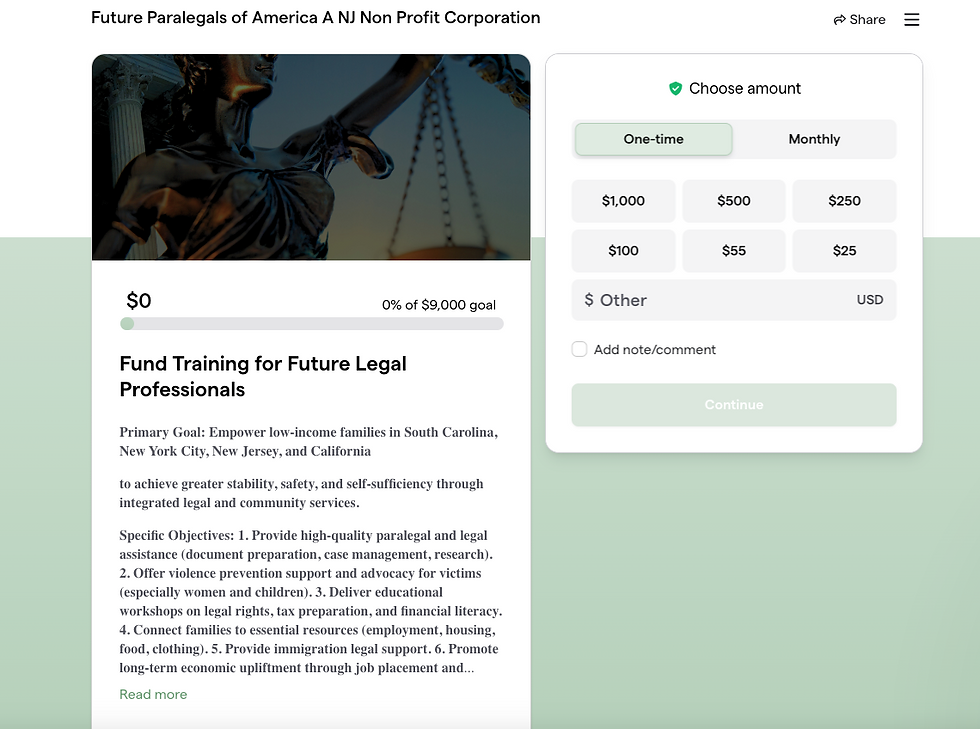
The Future Paralegals of America Corp exemplifies this approach by expanding virtual service offerings. Their mission to provide affordable legal, educational, and social support aligns with the broader goal of equitable access to justice. Through innovative use of technology and dedicated professionals, they help ensure that legal assistance is not a privilege but a right accessible to all.
Practical Recommendations for Utilizing Paralegal Services
For individuals seeking affordable legal support, understanding how to effectively engage with paralegal services is crucial. Here are some practical recommendations:
Identify Your Legal Needs: Determine the specific area of law relevant to your situation. This will help in finding a paralegal with the appropriate expertise.
Verify Credentials: Ensure that the paralegal or the organization providing services is reputable and operates under proper supervision.
Clarify the Scope of Services: Discuss what tasks the paralegal will perform and understand their limitations to avoid misunderstandings.
Utilize Virtual Services: Take advantage of virtual consultations and document preparation to save time and reduce costs.
Maintain Open Communication: Keep clear and consistent communication with your paralegal to stay informed about your case progress.
By following these steps, individuals can maximize the benefits of paralegal assistance while navigating the legal system more confidently.
In summary, the scope of paralegal services is broad and essential for facilitating access to justice. Paralegals provide invaluable support that enhances the efficiency and affordability of legal processes. Their work empowers individuals and communities by making legal, educational, and social support more accessible. As virtual service models continue to grow, the reach and impact of paralegal services will only expand, fostering a more equitable legal landscape.
For those interested in learning more or seeking assistance, exploring resources such as paralegal services can provide valuable guidance and support.


Comments